So, you’re thinking about selling your home. Maybe you’ve outgrown it, maybe you just want a change, or maybe you’re like me and realized that living with a leaky faucet and scratched floors is just too depressing. Either way, before you slap that “For Sale” sign in your yard, have you considered giving your place a little facelift? I know, I know, renovations sound expensive, stressful, and like a full-time job. But hear me out—sometimes spending a bit now can make a lot more later.
I remember my cousin trying to sell her apartment a few years ago. She was stubborn and refused to fix the peeling paint and the outdated kitchen. It sat on the market for months, and she was constantly fielding lowball offers that made her want to cry. Eventually, she caved, spent a few thousand fixing up the kitchen, painting the walls, and polishing the floors, and boom—the place sold in two weeks for way more than those earlier offers. I mean, that’s basically free money if you think about it.
How a Little Effort Can Pay Big Dividends
Renovation before selling is basically like giving your home a glow-up. You don’t need to go all extreme—no one expects a full-blown HGTV transformation—but little improvements can make a huge difference. A fresh coat of paint in neutral colors can make your place feel bigger and cleaner. Fixing a leaky faucet or replacing an old showerhead might seem small, but it signals to buyers that your house is well cared for.
Even the kitchen and bathrooms matter a lot. According to some real estate chatter I’ve seen on Twitter and Reddit, buyers often judge a house by its kitchen first and bathroom second. People picture themselves making late-night noodles in your kitchen or brushing their teeth in your bathroom. If it looks grimy or outdated, they’re gonna imagine a lot of extra work and might just walk away. It’s funny how humans work like that—we’re visual creatures, and emotions drive decisions way more than logic when it comes to homes.
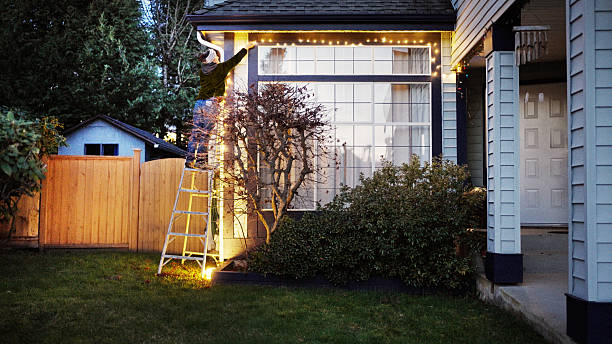
And don’t forget the curb appeal. That first impression thing isn’t a myth. A tidy front yard, trimmed hedges, maybe some new flowers—it all counts. I once saw a listing online that had this ugly rusty mailbox and overgrown weeds. The inside was actually gorgeous, but people just scrolled past it. So yeah, curb appeal matters more than we like to admit.
Cost vs. Return—The Numbers Game
Now, let’s talk money for a second. Renovations can feel expensive, and it’s tempting to just put the house on the market as-is and pray for the best. But here’s the thing—some renovations can offer a return that’s higher than your initial investment. Painting a room might cost a few hundred bucks, but it could bump up your sale price by thousands. Replacing old appliances or updating a bathroom can do the same.
There’s a tricky balance though—you don’t wanna go overboard. Spending $50,000 to redo your entire kitchen in marble when your neighborhood’s median house sells for $250,000 is not smart. You’ll probably never get that money back. But doing smart, targeted improvements that fix obvious flaws? That’s usually a safe bet. I like to think of it like fixing a car before selling it. You wouldn’t sell a car with bald tires and a weird engine sound, right? Same principle.
Psychology of Buyers: Why They Care About Renovations
Renovation also taps into human psychology. Most buyers don’t want to imagine a bunch of work ahead—they want to move in, unpack, and maybe post an Instagram photo in the kitchen that looks like it belongs in a magazine. If your house is move-in ready, it’s emotionally easier for them to say yes. On social media, I’ve seen people joke that they’re more likely to buy a house if it “feels Pinterest-ready.” That might sound silly, but emotions literally drive over half of buying decisions in real estate.
Timing and Strategy
Another thing people underestimate is timing. Renovating before selling can actually speed up the whole process. Houses that are move-in ready tend to sell faster. And a faster sale means fewer months of mortgage payments, fewer sleepless nights worrying about showing the place, and less risk of the market shifting against you. Think of it like this—if you spend a few weeks making smart fixes, you could sell in weeks instead of months. The time and stress saved? Priceless.
A Few Personal Thoughts
Honestly, I know not everyone has the budget to do big renovations. And sometimes, life’s messy, and a quick sale is the only option. But even if you can just tackle the small stuff—patching holes, painting walls, cleaning carpets—it can make a world of difference. And if you’re the DIY type, some of these projects are actually kinda fun. I once spent a weekend repainting my bedroom, thinking I was just fixing my own space, but it gave me a strange satisfaction that my future buyer probably won’t ever know.
At the end of the day, renovating before selling isn’t about perfection. It’s about giving your home a chance to shine, making buyers feel welcome, and maximizing your return. A little effort goes a long way, and honestly, it just makes the whole selling experience less painful.