There’s a quiet myth that teacher courses are only for bendy people who already teach on weekends. It keeps a lot of curious people at home. They look at photos of someone floating into a handstand above a rice field and decide the whole thing is out of reach. If that sounds like you, this article is for you.
The truth is much more welcoming. Plenty of students arrive stiff, nervous and unsure of the Sanskrit words. Many never plan to teach a single class. They come because they want to understand their bodies, slow down or try something that scares them a little. Here’s why that’s a perfectly good reason to sign up.
The Flexibility Myth
Flexibility is not a requirement for yoga, and it’s certainly not a requirement for learning to teach it. Many excellent teachers are naturally stiff and had to work for every pose. That often makes them better, because they know how to explain a posture to someone who finds it difficult.
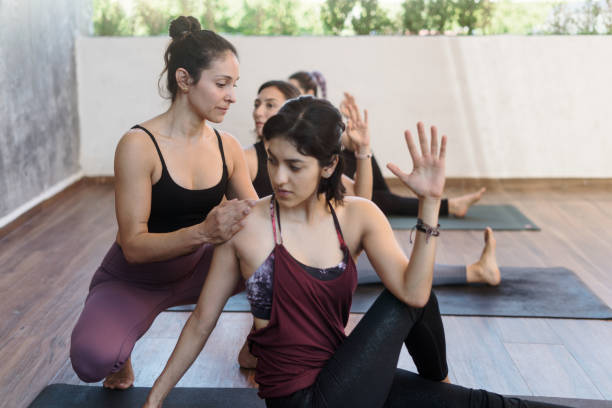
A good course meets you where you are. Teachers offer modifications, props and alternatives for nearly every pose. You’ll be encouraged to move within your own range and to notice sensation rather than chase shapes. If your hamstrings are tight or your shoulders are stiff, you’ll fit right in. Half the group probably feels the same way and just isn’t saying so. By the end, you’ll likely be more mobile than you expected, but even if you aren’t, you’ll understand your body better.
Fitness Matters, but Fanaticism Doesn’t
Days can be long and physically demanding, so a basic level of fitness helps. If you can walk for an hour, climb a few flights of stairs and move through a gentle class without collapsing, you’re probably fine. Anything more athletic is a bonus, but not a necessity.
What matters is consistency and willingness to rest. Students who rush, push into pain or compare themselves with others are the ones who struggle. Those who listen to their bodies, take breaks when needed and let go of competition do much better. If you’ve got a health condition or an old injury, tell the school before you go. A good team will talk it through honestly and tell you whether the course is suitable.
You Don’t Have to Teach Afterwards
Many people sign up for personal reasons rather than professional ones. Some want to deepen their practice, others want a structured month away from screens, and some want to understand the tradition behind the postures. Not one of those reasons requires you to teach.
In fact, many graduates never teach full time. They use what they learned in their own lives, perhaps leading the occasional class for friends or colleagues. Others use it in related jobs, such as physiotherapy, counselling, coaching, education or fitness training. If you’re considering 200 hour yoga teacher training in Bali purely for your own growth, that’s a legitimate and common choice. Your certificate is a record of study, not a contract to teach.
What Beginners Actually Learn
If you’re new to yoga, you’ll start with the foundations: how to stand, how to breathe, how to enter and leave a pose safely. You’ll learn the names of poses, basic anatomy and the structure of a class. Teachers often begin slowly, giving you time to find your footing before adding complexity.
You’ll also learn how to listen, to your own body and to a group of people. Those are skills that carry into everyday life, from conversations to work meetings. Many beginners say the biggest benefit was learning to pay attention. They notice tension earlier, breathe through stress and recover more quickly. These are quiet gains, but they’re real, and they build week by week.
The Philosophy Side Isn’t Scary
Some people worry that philosophy classes will be heavy or religious. In most schools, they’re practical and open. You’ll read about ideas such as non-harming, contentment, discipline and self-study, and discuss how they apply to modern life. You aren’t asked to adopt any belief system.
You can take what resonates and leave what doesn’t. Questions are welcome, and honest disagreement is part of learning. Teachers will often share personal stories to bring the ideas alive. You may find yourself reflecting on habits, relationships and values in ways you didn’t expect. For many students, these discussions end up being as valuable as the physical practice.
Overcoming the Fear of Teaching
Even people who want to teach feel afraid of it. Standing in front of a group, speaking out loud and guiding strangers is intimidating. Beginners often assume they’ll be the worst in the room. In reality, almost everyone feels nervous, including those who have practised for years.
Courses ease you in gradually. You begin by teaching a single pose to a partner, then a short sequence to a few people. Feedback is gentle and constructive. By the final week, most students are surprised to find they can lead a full class. Confidence comes from repetition, not from a magical moment, and a supportive group makes the repetition much easier.
Coming Alone Is Common
Many students arrive by themselves, whether from another country or a different city. If that makes you nervous, remember that nearly everyone else is in the same position. Friendships form quickly when you share meals, practise side by side and learn together for a month.
Schools usually arrange a welcome session, group meals and shared outings, which make it easy to connect. If you’re introverted, there’s space for quiet time too. You don’t need to be the loudest voice in the room. Being a good listener is just as valuable. Many people leave with friends they stay in touch with for years.
A Sample Day for a Complete Beginner
Imagine your first Wednesday. You wake at six, a little stiff, and join a gentle breathing session before the main class. The teacher offers a block for your hands and a strap for your feet, and you use both without a second thought. Breakfast is fruit and oats with the group. Mid-morning, you sit through an anatomy lecture and scribble pictures of the pelvis in your notebook.
After lunch you rest, then join a slow afternoon class and practise cueing one pose with a partner. By evening you’re tired but oddly content. Nobody judged your wobbles. Nobody expected perfection. That, more than any pose, is the real experience of being a beginner in a good course.
What If You Get Injured or Overwhelmed?
Aches are common in the first week, especially in the wrists, hips and lower back. Mild soreness usually fades as your body adapts. Sharp pain, numbness or a sudden pinch is a different matter, and you should stop and tell a teacher straight away.
Good schools will adjust your practice, suggest alternatives and point you to a local physiotherapist if needed. Emotional overwhelm deserves the same respect. If you feel flooded, step out for a moment, drink water and talk to someone. Needing a pause isn’t failure. It’s part of paying attention, which is the whole point.
Managing Your Expectations
A course won’t fix your life, remove stress or turn you into a calm saint. It will give you tools, structure and time. Some days will feel exhilarating and others will feel flat. You might struggle with sleep, miss your family or doubt your decision. This is normal.
Go in with curiosity rather than demands. Let go of the idea of mastering anything in a month. If you aim to learn, observe and grow, you’ll gain far more than if you aim to perform. Students who arrive with open minds usually report more satisfaction than those who arrive with a fixed idea of how the experience should feel.
Questions to Ask If You’re Unsure
If you’re still on the fence, contact schools and ask direct questions. Is the course suitable for complete beginners? What level of fitness is expected? How do they handle injuries or limitations? How large are the groups, and how much individual support is offered? Can you speak to a past student?
Pay attention to the tone of the replies. A good school answers honestly, doesn’t overpromise and doesn’t pressure you. If you’re researching a 200 hour yoga teacher training in Bali, ask especially about support for beginners, since the pace of the first week can make a big difference. Honest answers help you decide with confidence.
Taking the First Step
You don’t need to be flexible, fit, spiritual or sure about your plans. You need curiosity, patience and a willingness to be a beginner again. That’s more than enough. Many people who hesitated at the start look back and say it was one of the best decisions they ever made.
If you’ve been circling the idea for months, take a small step today. Read about a school, send a question or try a beginner class near you. When you feel ready, explore 200 hour yoga teacher training in Bali in more detail and see whether it fits your goals. The first step is always the smallest, and it’s the one that matters most.