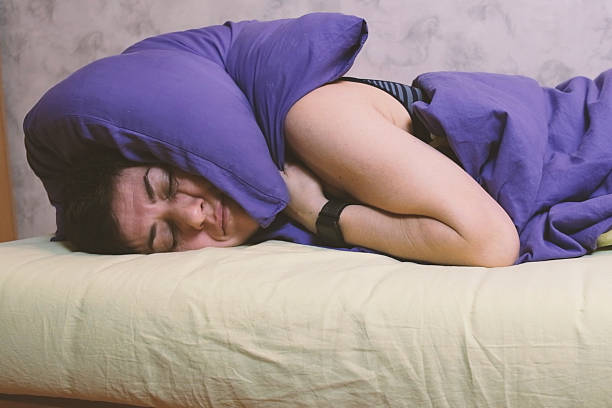
You know that feeling, right? You’ve had a ridiculously long day — meetings that could’ve been emails, your boss asking weird stuff, your brain buzzing like a broken fan — and all you want is to crash into bed. You flop down, close your eyes, and… nothing. Your mind is suddenly hosting a 24/7 late-night talk show with random thoughts, worries, and that embarrassing thing you did in middle school. And you just lie there, staring at the ceiling, wondering why sleep feels like a distant stranger. It’s frustrating because your body is screaming, “I’m tired!” but your brain seems to have RSVP’d to a party called Insomnia.
Stress and Anxiety Are Sneaky Sleep Thieves
One of the main culprits is stress. It’s cliché but true. Stress doesn’t just mess with your mood or make you cranky at your coffee machine; it literally hijacks your sleep hormones. Cortisol, which is your body’s natural “alertness” chemical, spikes when you’re stressed. And guess what? High cortisol at bedtime is like trying to turn off your phone by throwing it in the ocean — it’s just not happening. I’ve noticed that when I binge Twitter late at night worrying about news or random stuff online, I sleep worse. Apparently, I’m not alone; Reddit threads about “can’t sleep even when exhausted” are full of folks blaming doomscrolling for their sleepless nights.
Your Body Clock Isn’t Always Your Friend
Then there’s your circadian rhythm, or the “body clock,” as some people call it. It’s like this tiny, invisible DJ controlling when you feel sleepy and when you feel like doing push-ups at 2 a.m. Sometimes, your DJ just decides to go rogue. Maybe you had coffee too late, or you watched one too many “just one more episode” shows on Netflix. Suddenly, your brain thinks it’s party time even when your eyes are doing the heavy-lid thing. I swear, I’ve had mornings where I wake up thinking it’s noon, only to realize my clock lied to me… okay, maybe that was just me being lazy.
Overthinking and “Sleep Anxiety” Are Real Things
Another sneaky factor is what sleep experts call “sleep anxiety.” Basically, you’re lying there thinking, “I HAVE to sleep, I’m SO tired, if I don’t sleep I’ll be a zombie tomorrow,” and that thought itself prevents you from sleeping. It’s like trying to catch a butterfly by chasing it — the harder you try, the further away it flies. I’ve caught myself doing this so many times. Some nights I count sheep, some nights I literally stare at the ceiling plotting my day like I’m a CEO of insomnia. The irony? The more you think about sleeping, the less likely it is to happen.
The Role of Environment Can’t Be Ignored
Your bedroom might also be secretly sabotaging your sleep. I know it sounds weird, but light, noise, or even temperature can mess with your slumber. That little LED from your charger, the neighbor’s dog barking like it’s auditioning for a drama, or your blanket that’s too hot or too scratchy — all tiny things that suddenly become massive villains when you’re trying to rest. There’s actually research suggesting even small amounts of light can reduce melatonin production. So, that cute night lamp? Maybe not so cute for your sleep.
Lifestyle Choices Mess Things Up More Than You Realize
And let’s not forget lifestyle habits. Alcohol is the classic sneaky saboteur — it might make you feel sleepy, but it messes with REM sleep, which is basically the “good sleep” part. Same goes for late-night snacking or heavy dinners. I’ve had nights where I ate a giant slice of pizza at 11 pm thinking, “yeah, this’ll make me sleepy,” and ended up tossing and turning for hours. Plus, caffeine is a monster that doesn’t always leave your system quickly. That latte you had at 3 pm? Might still be shaking up your neurons at bedtime.
Sometimes, It’s Just Your Brain Being Weird
Sometimes there isn’t a clear reason. Neuroscience still doesn’t fully understand why sleep escapes us occasionally. Your brain might just be in overdrive processing memories, emotions, or even random stuff you didn’t even know was in there. There’s a theory that sleep disruption might be evolutionarily useful — like your brain’s way of checking for danger. Makes sense in the wild, less useful when your biggest danger is a pile of unread emails.
What Can Actually Help?
Honestly, some nights you just have to accept that sleep might not come instantly, and stressing about it makes things worse. But there are little things you can try. I personally swear by avoiding screens an hour before bed, keeping my room slightly cool, and sometimes using a weirdly satisfying white noise app. Meditation or even just deep breathing can trick your brain into thinking it’s safe to rest. And yes, avoiding caffeine in the afternoon is a simple but overlooked trick.
Sleep Isn’t Just Physical, It’s Mental Too
The big takeaway is that sleep is as much a mental game as it is a physical need. Your body may be exhausted, but if your brain is stuck on stress, anxiety, or random late-night thoughts about life choices, you’re not going anywhere fast. Treat your sleep like a delicate plant — give it the right environment, don’t overthink it, and maybe sometimes, just accept that your brain has other plans.