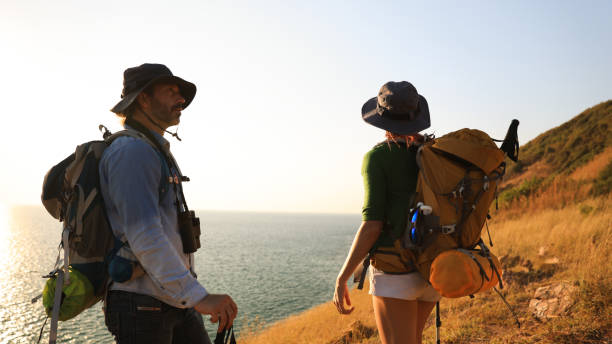
Lately, it feels like everyone and their dog is talking about adventure travel. Scroll through Instagram for five minutes and you’ll see people cliff-jumping in New Zealand, sandboarding in Morocco, or trekking through some remote jungle that you didn’t even know existed. It’s not just influencers trying to flex anymore; regular folks are packing backpacks and going “off the grid,” and honestly, I get it. There’s this weird craving for experiences that feel raw and real, not just hotel selfies and brunch pics.
I remember last year I tried this so-called “easy” hike in the Himalayas. Easy my foot. I was huffing like a steam engine halfway up, my legs screaming, and yet I couldn’t stop grinning. The view at the top? Unreal. There’s something about pushing yourself physically and mentally that makes you feel alive in a way scrolling through TikTok just can’t. And I think that’s the core of why adventure travel is booming. People are craving that punch of reality in a world that feels increasingly curated and filtered.
It’s Not Just About Escaping, It’s About Feeling Something
Sure, a lot of people say they travel to “get away from it all,” but I think adventure travel scratches a different itch. It’s not just running from your 9-to-5 or the endless Zoom calls (though that’s part of it). It’s about feeling like you’re actually living, even if it’s just for a weekend. When you’re dangling off a cliff or paddling through rapids, your brain doesn’t have the bandwidth for emails, bills, or social media drama. It’s literally impossible to think about Netflix shows or that group chat blowing up. That kind of pure focus on the moment is addictive.
Interestingly, some niche studies have started to show that adrenaline-heavy vacations can improve mental health. There’s a small 2022 survey from Adventure Travel Trade Association (ATTA) that found participants in extreme sports or high-adrenaline activities reported a 35% boost in happiness levels compared to traditional sightseeing trips. I mean, it makes sense—your brain is basically screaming “I’m alive!” while you’re hanging off a mountain ledge, and science backs it up.
Social Media Is Fueling the FOMO
You can’t ignore the social media effect. Let’s be real, there’s a subtle (or not-so-subtle) pressure to have “the experience” because everyone online seems to be doing it. Twitter threads about hidden waterfalls, Reddit posts about secret hiking trails, TikTok videos of backcountry skiing—they all contribute to this global FOMO epidemic. People see others conquering their fears, doing crazy stuff, and suddenly their weekend kayaking trip at the local lake feels a little…boring.
Even travel companies are catching on, throwing in “adventure packages” like it’s some trendy subscription box. You can go on a guided volcano hike in Guatemala, learn to surf in Bali, or do a week-long cycling expedition in Iceland. All packaged neatly so that you feel adventurous but without actually risking your life…too much.
Adventure Travel Is Actually More Accessible Than You Think
There’s a misconception that adventure travel is only for the super rich or extreme athletes. That’s not true anymore. Backpacking through Patagonia or joining a guided trek in Nepal isn’t cheap, sure, but it’s also not impossible. There’s this whole economy of small tour operators, local guides, and budget-friendly adventure camps that makes it accessible. And honestly, sometimes the “budget adventure” ends up being more memorable because it’s raw, unpredictable, and you’re interacting with locals more than staying in a sanitized resort.
I did this one trek in Peru where our group got stuck in a rainstorm, our guide laughed the whole time, and we ended up cooking dinner together in a tiny village hut. Totally chaotic, completely miserable at points, but also one of the most authentic experiences I’ve ever had. Try capturing that on Instagram—it’s messy, imperfect, and yes, that’s the point.
The Thrill of the Unknown
There’s also this psychological thing. Humans are naturally drawn to novelty. We get bored of routine, and adventure travel offers a legitimate escape from the predictable. Even people who don’t consider themselves “adventurous” are finding that a little unpredictability is…well, exciting. You never know if your trail will be flooded, your kayak will tip, or a monkey will steal your snack. That unpredictability is part of the adrenaline cocktail people are chasing.
It’s funny, because a lot of these trips aren’t about danger for danger’s sake. It’s about personal challenge, self-discovery, and those tiny victories that make you feel like you’ve actually accomplished something. And let’s be honest, sharing those little wins online is half the fun too.
A Trend That’s Shaping Travel Industry
Adventure travel is shaping how the industry operates. Hotels are adding “experience packages,” airlines are marketing routes to offbeat destinations, and insurance companies are suddenly trying to make sure you don’t fall off a cliff without coverage. And social media chatter doesn’t lie: #adventuretravel has exploded on Instagram, TikTok, and Twitter over the last few years, showing a clear shift in what people want from vacations.
Honestly, it’s refreshing. For a while, travel felt like a competition for the most picturesque meal or the most luxurious resort. Now, it’s about stories you’ll remember, moments that test your limits, and experiences that make your heart pound. Even if you fail miserably at rock climbing or get lost on a hike, there’s a sense of triumph in trying.
Adventure travel isn’t just a fad. It’s a reflection of a society craving authenticity, unpredictability, and a genuine sense of being alive. It’s messy, thrilling, exhausting, and sometimes terrifying—but that’s exactly why it’s addictive. And let’s face it, in a world full of curated perfection, a little chaos is the best souvenir you can bring home.