HomeBusinessThe Packing Methods That Work Best Inside Storage Units

The Packing Methods That Work Best Inside Storage Units

Published on

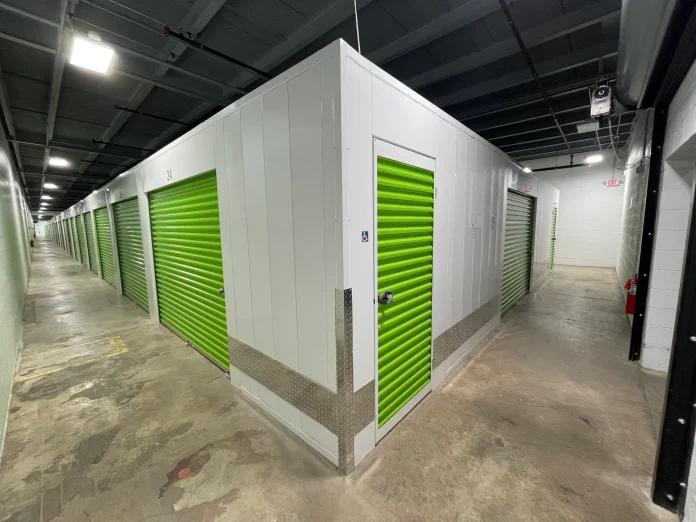
Crowded garages and overflowing closets often push families toward renting extra storage space. Packing items the right way inside storage units helps prevent broken belongings, moisture damage, and wasted space over time. Careful organization also makes moving easier months later when boxes no longer feel like a mystery pile.

Why Heavy Items Belong at the Bottom Every Time

Large boxes stacked above lighter containers create pressure that crushes weaker materials underneath. Fragile dishes, electronics, and decorations often break because unstable piles shift slowly over time inside storage units. Balanced stacking helps reduce leaning towers that become dangerous during unloading.

Dense items such as books, tools, and kitchen appliances usually stay safer when placed on lower levels. Smaller loads also make boxes easier to carry without tearing handles or weakening cardboard seams. Families searching for storage units near me often save space simply by building sturdy foundations before stacking upward.

Clear Labels Prevent Hours of Future Frustration

Blank boxes may seem harmless during move-in day, yet forgotten labels quickly create confusion later. Seasonal decorations, financial paperwork, and kitchen supplies become difficult to locate once dozens of containers fill the storage unit. Organized labeling saves time during future visits.

Bold marker descriptions placed on multiple sides improve visibility in narrow storage rows. Color-coded tape systems also help separate rooms or categories without opening every box repeatedly. Climate controlled storage customers frequently rotate items throughout the year, making strong labeling habits even more useful.

Are Plastic Bins Better Than Cardboard Boxes?

Plastic containers resist moisture better than traditional cardboard in humid environments. Durable lids also help protect clothing, photographs, and electronics from dust buildup during long-term storage. Sturdy bins generally hold shape longer when stacked under heavier weight.

Cardboard still works well for lighter household goods when packed carefully and kept dry. Breathable materials sometimes benefit fabric storage because trapped moisture becomes less likely inside ventilated containers. Climate controlled storage further helps reduce humidity problems that damage paper-based boxes over extended periods.

Furniture Placement Changes Everything Inside Small Units

Bulky couches, tables, and mattresses can block access quickly when arranged without planning. Tight walkways force people to move half the unit just to reach one forgotten item in the back corner. Smart placement improves both safety and convenience.

Vertical storage methods create additional room while protecting furniture from scratches and dents. Raised pallets beneath wooden items also reduce floor moisture contact during seasonal weather changes. Thoughtful spacing often helps storage units feel larger without requiring extra square footage.

Vacuum Sealing Helps Clothing Stay Cleaner Longer

Blankets, winter jackets, and bedding absorb dust surprisingly fast inside enclosed spaces. Vacuum-sealed bags compress bulky fabrics while reducing exposure to moisture and airborne particles. Smaller package sizes also free up room for additional belongings.

Delicate fabrics still benefit from careful folding before sealing because sharp creases sometimes weaken materials over time. Climate controlled storage helps preserve leather jackets, vintage clothing, and specialty fabrics that react poorly to temperature swings. Proper garment preparation often prevents unpleasant odors during long storage periods.

What Packing Materials Protect Fragile Items Best?

Newspaper alone rarely provides enough protection for glassware, dishes, or framed artwork. Thin wrapping shifts during transport and leaves corners vulnerable to cracks from minor impacts. Multiple cushioning layers reduce movement inside packed containers.

Reliable protective materials commonly include:

  • Bubble wrap for breakable glass and ceramics
  • Packing paper for plates and decorative items
  • Foam sheets for electronics and framed pictures
  • Furniture blankets for wood surfaces and mirrors
  • Stretch wrap for securing drawers and loose parts

Quality packing supplies usually cost far less than replacing damaged valuables later. Storage units near me often hold family heirlooms, holiday decorations, and expensive electronics that deserve stronger protection than rushed packing methods provide.

Moisture Control Helps Preserve Valuable Belongings

Humidity quietly damages photographs, paperwork, furniture, and electronics without obvious warning signs at first. Mold growth sometimes spreads through packed boxes before people notice unusual odors or discoloration. Airflow and moisture prevention both matter during long-term storage.

Silica packets, moisture absorbers, and elevated shelving help reduce condensation problems inside enclosed spaces. Climate controlled storage remains especially useful for antiques, musical instruments, and paper records sensitive to environmental changes. Preventive moisture control often extends the life of stored belongings significantly.

Leaving Aisles Open Makes Retrieval Easier Later

Packed units filled wall-to-wall may appear efficient initially, yet blocked access creates headaches months later. Rear containers become almost impossible to reach without unpacking large sections of the unit. Open walking paths simplify organization and reduce accidental damage.

Strategic aisle placement also improves visibility for inventory checks throughout the year. Frequently used items usually belong near the front while long-term belongings stay farther back. Storage Partner helps renters organize storage units more effectively by offering storage options that protect household items while keeping future access simple and stress-free.

Latest articles

Creating a Healthier Home Environment Through Better Ventilation Care

A comfortable home is built around many important systems working together, and the ventilation system is one of the most essential. While homeowners often focus on decorating, cleaning, and maintaining visible areas, the hidden components responsible for moving air throughout the property also require attention. The air circulating inside a home affects comfort, energy efficiency, and overall living conditions. Over time, ventilation pathways can collect dust, debris, and other particles that may impact how effectively an HVAC system operates. Understanding the importance of proper maintenance allows homeowners to make smarter decisions that protect their property and improve indoor conditions. How Your Home’s Air System Affects Daily Comfort Heating and cooling systems do more than adjust temperature. They are responsible for distributing conditioned air evenly across different rooms, helping maintain a consistent environment throughout the year. When airflow pathways become restricted, the HVAC system may struggle to deliver the expected results. Some areas of the home may receive less airflow, while the system may run longer than necessary to maintain comfortable temperatures. These challenges can affect both comfort and efficiency. A system that works harder requires more energy, which may contribute to higher utility expenses over time. Maintaining the pathways that carry air throughout the home helps support smoother operation and allows HVAC equipment to perform closer to its intended capacity. Common Causes of Airflow Problems in Homes Many factors can contribute to reduced ventilation performance. Dust accumulation is one of the most common issues because particles naturally enter homes through daily activities, open doors, windows, and regular indoor movement. Homes with pets, frequent visitors, or ongoing construction projects may experience faster buildup. Renovation work, in particular, can introduce fine particles that settle inside areas that are difficult to reach. Moisture can also create concerns within ventilation systems. When humidity levels are not properly managed, certain areas may become more vulnerable to unwanted buildup and unpleasant odors. In addition, older HVAC systems may experience reduced performance due to years of use. Regular evaluations help homeowners understand the condition of their system and determine whether professional service may be beneficial. Warning Signs That Should Not Be Ignored Many homeowners do not think about their ventilation system until a noticeable problem appears. Recognizing early warning signs can help prevent small issues from becoming larger concerns. One common indication is visible dust returning quickly after cleaning. If household surfaces become dusty again soon after maintenance, the HVAC system may be contributing to the circulation of airborne particles. Unusual smells coming from vents can also signal that attention is needed. Odors that appear when the heating or cooling system starts operating should be investigated rather than ignored. Another sign is inconsistent airflow between rooms. If some areas feel comfortable while others struggle to maintain temperature, the system may not be distributing air effectively. Unexpected increases in energy costs can also be connected to ventilation problems. When equipment has to operate longer to achieve the desired result, efficiency can decline. The Importance of Professional System Care Ventilation systems are complex and often include areas that are difficult for homeowners to inspect. Professional technicians have specialized equipment and experience that allow them to properly evaluate and maintain these systems. A professional approach focuses on more than surface-level cleaning. It involves understanding how the entire system works, identifying potential issues, and providing solutions that support long-term performance. Experienced service providers can help homeowners improve airflow, maintain cleaner conditions, and reduce unnecessary strain on HVAC equipment. Choosing qualified professionals also helps ensure that maintenance is performed correctly without damaging sensitive components or creating additional problems. Improving Indoor Air Quality With Preventive Maintenance Indoor air quality has become an increasingly important concern for many families. Since people spend a large portion of their time inside their homes, maintaining a cleaner indoor environment can contribute to better comfort and overall satisfaction. Preventive maintenance is one of the most effective ways to support better indoor conditions. Instead of waiting for noticeable problems, homeowners can schedule routine inspections and address potential concerns before they affect daily life. Good indoor air practices include replacing filters regularly, controlling indoor humidity, keeping HVAC equipment maintained, and ensuring ventilation pathways remain in good condition. When these steps work together, homeowners can create an environment that feels fresher and more comfortable throughout the year. Protecting Energy Efficiency and HVAC Performance A properly maintained ventilation system benefits both the homeowner and the HVAC equipment itself. When air moves freely, heating and cooling systems do not need to work as hard to maintain indoor temperatures. Reduced strain can help extend the lifespan of important HVAC components while supporting more predictable energy usage. Many homeowners invest in efficient appliances and smart thermostats but overlook the importance of maintaining the systems that allow those technologies to work effectively. Keeping ventilation components in good condition is an important part of protecting that investment and maximizing the value of existing HVAC equipment. Choosing the Right Service Provider for Your Home Selecting a professional company for ventilation maintenance requires attention to experience, reliability, and customer-focused service. Homeowners should look for providers who understand different HVAC systems and prioritize quality results. A trustworthy service provider takes time to explain the process, answer questions, and recommend solutions based on the specific needs of the property. Professional support can make a significant difference because every home has unique factors that influence air circulation, including size, layout, HVAC design, and usage patterns. For homeowners looking for experienced assistance and additional information about available solutions, taking the next step with a trusted specialist is a practical way to improve home comfort. When you are ready to discuss your needs, Lets Talk! and discover how professional ventilation care can support a cleaner, more efficient living space. A Smarter Approach to Long-Term Home Comfort Maintaining a healthy home environment requires attention to both visible and hidden systems. While ventilation components may not always be noticeable, they play a major role in comfort, efficiency, and indoor conditions. By recognizing warning signs, investing in regular maintenance, and working with knowledgeable professionals, homeowners can improve the performance of their HVAC systems and create a more comfortable space for everyone. A proactive approach to ventilation care helps protect your home, supports better airflow,...

A comfortable home

playexch247

77 bet apk login old version

fairplay pro

Nifty Bank Today: Market Update for Investors

Investors following India's financial markets closely often find that a single day's movement in...

Nifty 50 Today

welcome to cricbet99

More like this