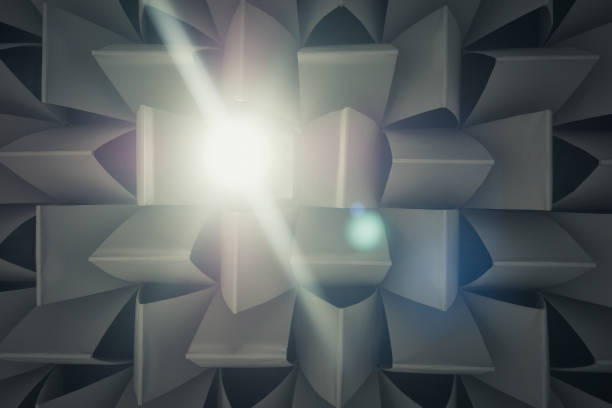
Photography is often described as the art of capturing moments, but in reality, it is the art of capturing light. The word photography itself comes from the Greek words “photos” (light) and “graphé” (drawing), meaning “drawing with light.” From the earliest experiments of inventors like Louis Daguerre to today’s advanced digital cameras and smartphones, light has remained the heart and soul of every image. In modern photography, mastering light is not just a technical skill—it is a creative superpower.
Understanding Light: The Foundation of Photography
Before a photographer can master light, they must understand it. Light has three main qualities: direction, intensity, and color. Each of these elements plays a vital role in shaping an image.
Direction of light determines where shadows fall. Front lighting reduces shadows and highlights details clearly. Side lighting adds depth and drama. Backlighting creates silhouettes and glowing edges, often producing a magical effect. Modern photographers experiment with these directions to create different moods and emotions.
Intensity of light refers to how strong or soft the light is. Harsh midday sunlight creates strong contrasts and deep shadows, while soft light during cloudy days produces gentle, even tones. Controlling intensity—either naturally or with equipment—helps photographers achieve the desired visual impact.
Color of light, also known as color temperature, affects the mood of a photo. Warm golden tones during sunrise and sunset create a romantic or nostalgic feel. Cooler tones in shade or artificial lighting can produce a calm or dramatic atmosphere.
The Magic of Golden Hour
One of the most celebrated times for photographers is the “golden hour,” which occurs shortly after sunrise and just before sunset. During this time, the sun is low in the sky, producing soft, warm, and flattering light. Shadows become longer, textures appear richer, and landscapes glow beautifully.
Golden hour photography is popular in portrait, travel, and landscape photography. Many modern photographers plan their shoots around this special time to capture stunning natural effects without heavy editing. It proves that sometimes, the best lighting equipment is simply perfect timing.
Artificial Lighting in the Modern Era
While natural light is powerful, modern photography also relies heavily on artificial lighting. Studio photography, fashion shoots, and product photography often use controlled lighting setups. Tools like softboxes, ring lights, and LED panels help shape and soften light.
Ring lights have become especially popular in the age of social media. Influencers and content creators use them to achieve even facial lighting and bright catchlights in the eyes. This trend has transformed how everyday people approach photography, making professional-looking images accessible to everyone.
Modern cameras also perform exceptionally well in low-light situations. High ISO capabilities and advanced sensors allow photographers to shoot in dim environments without losing too much detail. Night photography, once considered extremely challenging, is now more accessible than ever.
Shadows: The Hidden Art
Light cannot exist without shadows. In fact, shadows often define the shape and drama of an image. Creative photographers use shadows to add mystery, contrast, and storytelling elements to their work.
Street photographers, for example, often capture striking compositions by focusing on long shadows cast by buildings or people. The interplay between light and shadow creates depth and visual interest. In black-and-white photography, this contrast becomes even more powerful, emphasizing textures and emotions.
Mastering shadows means understanding that darkness is not the enemy—it is a creative partner.
Composition and Light Together
Light alone does not create a masterpiece; it must work hand in hand with composition. Techniques like the rule of thirds, leading lines, framing, and symmetry become even more effective when combined with strong lighting.
For instance, a beam of sunlight can act as a leading line, guiding the viewer’s eye toward the subject. A window can frame a portrait while also providing soft side lighting. Modern photography is about recognizing these opportunities and using light intentionally rather than accidentally.
Digital editing tools have also expanded creative possibilities. Software like Adobe Lightroom and Adobe Photoshop allows photographers to adjust exposure, highlights, shadows, and color tones. However, editing should enhance good lighting—not fix poor lighting. A well-lit photo always stands out more naturally.
Smartphone Revolution and Light Awareness
The rise of smartphone photography has made light awareness more important than ever. Devices from companies like Apple Inc. and Samsung Electronics now feature advanced camera systems with night mode, HDR, and AI-powered enhancements.
Despite technological assistance, the photographer’s eye remains crucial. Understanding where to stand, how to position the subject, and how to use available light makes a significant difference. Modern photography is less about expensive equipment and more about creative vision.
Creative Techniques with Light
Modern photographers experiment with innovative lighting techniques to push creative boundaries:
-
Light painting: Using long exposure and moving a light source to create artistic patterns.
-
Silhouettes: Placing the subject against a bright background to create dramatic outlines.
-
Reflections: Using mirrors, water, or glass to bounce and multiply light creatively.
-
Lens flare: Allowing controlled sunlight to enter the lens for a cinematic effect.
These techniques show that light is not just illumination—it is a storytelling tool.
Emotional Power of Light
Beyond technical aspects, light influences emotion. Soft diffused light creates intimacy and warmth. Harsh shadows can suggest tension or strength. Bright, vibrant lighting often conveys happiness and energy.
Master photographers understand that every lighting choice communicates something to the viewer. A wedding photographer may use warm golden tones to reflect love and joy. A documentary photographer might use natural, unfiltered light to maintain authenticity.
Light shapes how we feel about what we see.
Continuous Learning in the Digital Age
The world of photography continues to evolve rapidly. Online tutorials, workshops, and social media platforms provide endless learning opportunities. Photographers can study the work of global artists, analyze lighting setups, and practice new techniques daily.
However, mastering light requires practice above all else. Observing how sunlight changes throughout the day, experimenting with angles, and reviewing results carefully help build strong lighting intuition.
Conclusion
The art of light is the true essence of photography. From natural golden sunsets to carefully controlled studio setups, mastering light allows photographers to transform ordinary scenes into extraordinary images. Technology has made photography more accessible than ever, but the core principle remains unchanged: understanding and shaping light defines success.