Why serious meditators look for advanced training
Many people begin meditation in a casual way — maybe through a short class, a yoga session, or even a meditation app before sleep. In the beginning it feels relaxing, but after some months something interesting happens. People realize meditation has layers. It’s not just about breathing slowly or calming the mind for five minutes. That curiosity pushes some practitioners to explore deeper programs like 300 hour Meditation Teacher Training because they want to understand meditation at a much deeper level and possibly guide others in the future.
Meditation practice grows step by step
Meditation learning is usually structured in levels. Beginners often start with shorter training programs where they learn basic mindfulness techniques and breathing practices. After that, more advanced programs introduce deeper tools and philosophies.
A 300-hour meditation teacher training is generally considered an advanced program designed for practitioners who already have some meditation experience and want to expand their understanding of the practice and teaching methods.
Advanced techniques explored in deeper meditation study
One of the biggest differences between beginner and advanced meditation training is the variety of techniques explored. Instead of focusing only on basic breath awareness, students learn practices like mantra meditation, visualization techniques, guided imagery, and chakra-focused meditation.
These techniques help practitioners develop stronger concentration, emotional balance, and deeper awareness during meditation sessions.
The role of breathing and energy awareness
Breathwork is another important element in advanced meditation training. Many programs include pranayama techniques, which are traditional breathing practices used to regulate energy and calm the nervous system.
Students often study concepts such as energy channels, chakras, and subtle body awareness. These teachings help practitioners understand how breath and awareness influence mental clarity and emotional balance.
Meditation postures and physical preparation
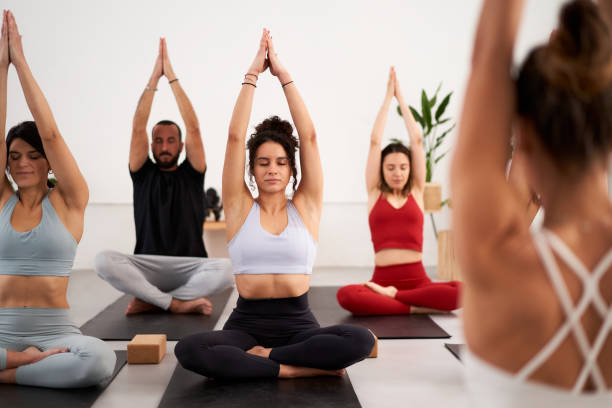
Even though meditation is mostly about the mind, physical posture still matters. Training programs usually teach traditional meditation postures such as Sukhasana, Padmasana, Vajrasana, and other stable sitting positions that support longer meditation sessions.
The goal is to create a posture that allows the body to stay comfortable and steady so the mind can remain focused without constant physical distractions.
Learning to guide meditation sessions professionally
For people interested in teaching meditation, advanced training also includes teaching methodology. Students practice guiding meditation sessions, explaining techniques clearly, and creating a calm environment for beginners.
Teaching meditation requires patience and clarity. A teacher must help students relax, focus their attention, and gradually understand the experience of meditation rather than forcing results.
Philosophy and deeper awareness
Another important part of advanced meditation training is philosophy. Meditation traditions are connected with ancient teachings about consciousness, awareness, and the nature of the mind.
Studying these concepts helps practitioners see meditation as more than just a relaxation method. It becomes a tool for self-understanding and mental clarity.
Personal transformation during training
Many students say the biggest change during meditation training isn’t technical knowledge but personal awareness. Spending many hours practicing meditation often makes people more mindful of their reactions, emotions, and habits.
Some notice better concentration. Others feel calmer in stressful situations. These small shifts can gradually influence daily life in meaningful ways.
Why advanced meditation training is becoming popular
In today’s fast-moving world, many people feel mentally overloaded. Meditation offers a way to slow down and reconnect with inner awareness. Because of this, structured meditation training programs are becoming increasingly popular worldwide.
For practitioners who want to go beyond casual meditation and truly understand the practice, advanced programs provide the time, guidance, and community needed to deepen their journey.
Is a 300-hour meditation training worth exploring?
For dedicated practitioners, a 300-hour meditation training can be a powerful step in their meditation journey. It allows them to explore advanced techniques, understand meditation philosophy, and develop the confidence to guide others.
While meditation itself is a lifelong path, structured training helps create a strong foundation. With consistent practice and deeper understanding, students can transform meditation from a simple daily habit into a meaningful lifelong discipline.