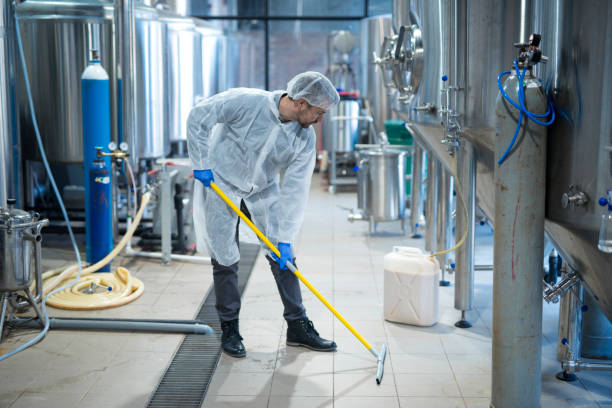
Running a big facility is honestly a bit like trying to keep a giant white shirt clean while people keep spilling coffee on it every five minutes. At some point you realize regular cleaning just doesn’t cut it, and that’s where choosing the right Industrial Cleaning Company actually becomes a serious business decision, not just a maintenance task. I’ve seen facility managers treat cleaning like an afterthought, then suddenly panic when inspections come up or machines start failing because dust and grime quietly built up for months.
The funny thing is, most people assume all cleaning companies are basically the same. Mop, chemicals, maybe a loud vacuum, done. But industrial spaces are completely different animals. Warehouses, factories, production floors — they collect dirt in ways normal offices never will. Oil residue, fine particles, chemical spills, even tiny metal fragments… stuff that doesn’t just look bad but actually damages equipment over time.
Understanding what your facility actually needs
One mistake I notice a lot (and honestly I used to think the same) is choosing based only on price. Cheapest quote wins, right? But industrial cleaning is closer to preventative maintenance than janitorial work. Think of it like car servicing. Skipping proper servicing saves money today but later you’re paying triple because the engine gave up on life.
Large facilities all behave differently. A food processing plant needs sanitation-level cleaning, while a logistics warehouse mostly battles dust buildup and floor wear. If a company doesn’t ask detailed questions about your workflow, machinery, or operating hours, that’s usually a red flag. Real professionals are almost annoyingly curious. They want walkthroughs, measurements, and sometimes even maintenance schedules before quoting anything.
I remember talking to a warehouse supervisor who told me their previous cleaners worked during peak operations. Sounds efficient on paper, but forklifts kept moving around them, corners were skipped, and accidents almost happened. Cleaning schedules matter more than people realize.
Experience matters more than fancy promises
Marketing websites can look impressive. Everyone claims advanced solutions or industry-leading results. But experience shows up in small details. Do they understand safety compliance? Are their staff trained around heavy machinery? Can they handle emergency cleanup without turning it into chaos?
There’s also this lesser-known reality: industrial cleaning mistakes can shut down operations. Using the wrong chemical near certain equipment can corrode surfaces or create slippery floors. I once heard about a facility that lost half a production day because cleaners used excessive water near electrical zones. Not malicious, just inexperienced.
Online reviews actually help here, but not always the star rating itself. Read the complaints. Social media chatter often tells the real story. When people repeatedly mention missed spots or inconsistent teams, that pattern usually isn’t random. Oddly enough, companies that respond honestly to criticism tend to be more reliable than those with suspiciously perfect feedback.
Equipment and methods tell you everything
You can learn a lot just by asking what machines they use. Industrial cleaning isn’t just bigger mops. There are ride-on scrubbers, high-pressure systems, HEPA filtration vacuums, and specialized degreasers designed for specific industries. If a company still relies heavily on manual cleaning for massive floors, it may mean longer downtime for you.
And downtime is expensive. Even one hour of halted operations in a large facility can cost more than an entire month of cleaning services. That’s why efficient methods matter. It’s less about sparkle and more about speed plus safety.
A small tip someone shared with me once: ask how they measure results. Good companies track cleanliness through inspection checklists or performance audits. Sounds boring, but data-driven cleaning actually exists now. Weirdly satisfying too.
Communication is underrated but crucial
Here’s something nobody talks about enough — communication. Industrial environments change constantly. Production increases, layouts shift, seasonal demand spikes. A cleaning partner who adapts quickly saves you headaches.
I’ve seen situations where managers couldn’t even reach their cleaning provider during urgent situations. Imagine a chemical spill at night shift and nobody answers calls. That’s not just frustrating, it’s risky.
The best teams assign a clear point of contact and do regular check-ins. Not formal meetings every week, just quick updates. It keeps expectations realistic and avoids those awkward we thought you were handling that moments.
Safety culture says a lot about professionalism
If safety training isn’t mentioned early in conversations, pause right there. Industrial environments aren’t forgiving. Workers should understand PPE usage, hazard zones, and compliance rules without needing reminders.
Interestingly, facilities that invest in proper cleaning often report fewer workplace incidents. Clean floors reduce slips, organized spaces improve visibility, and properly maintained areas just feel safer overall. It’s one of those invisible benefits people notice only after things improve.
Also, insurance and certifications matter more than people assume. Not exciting topics, I know, but they protect you when something unexpected happens.
Long-term partnership versus quick service
A lot of businesses switch cleaning providers every year chasing lower prices. But consistency has value. Teams familiar with your facility work faster and make fewer mistakes because they already know problem areas.
There’s also a trust factor. When cleaners understand your operations, they start spotting issues before you do — leaks, wear patterns, unusual buildup. It’s almost like having extra eyes on your facility.
Toward the end of the decision process, it usually comes down to reliability. Can you depend on them without constant supervision? That’s the real question. A dependable Industrial Cleaning Company quietly becomes part of operations rather than an outside vendor you worry about.
Honestly, choosing the right one isn’t glamorous work. No one brags about hiring cleaners at business meetings. But when everything runs smoothly, equipment lasts longer, and inspections stop being stressful, you realize it was one of the smarter decisions you made. And yeah, sometimes the best sign you picked well is simple — you stop thinking about cleaning altogether because it’s just handled.