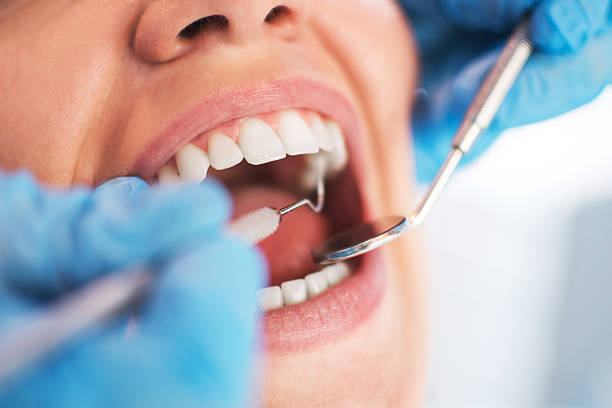
Most people don’t think about dentists until something starts hurting. It’s kind of funny actually. We happily chew chips, drink sugary tea, forget to floss for weeks… and then suddenly panic when a tooth begins to ache. That’s usually when people start searching about dental treatments and wondering what exactly happens inside a dental clinic.
Honestly, dental care is not just about fixing pain. A lot of treatments are actually meant to prevent bigger problems later. Think of it like servicing your bike or car. You don’t wait for the engine to completely break before checking it… well, ideally you don’t.
Over time dentists have developed many treatments that keep teeth strong, gums healthy, and smiles looking decent enough for photos.
Teeth Cleaning Is More Important Than People Think
Professional teeth cleaning is probably the most underrated dental treatment. Many people assume brushing twice a day is enough. I used to think that too.
But dentists often explain that brushing only removes soft plaque. Over time, plaque hardens and becomes tartar. And once tartar forms, your toothbrush is basically useless against it.
During professional cleaning, dentists use special tools to remove that hardened buildup around the teeth and gums. It doesn’t usually hurt, though the scraping sound can feel slightly annoying.
After cleaning, teeth often feel oddly smooth. Almost like glass. The first time I experienced it, I kept running my tongue over my teeth for hours.
Regular cleaning also helps prevent gum disease, which is surprisingly common among adults.
Dental Fillings Fix Cavities Before They Spread
Cavities are probably the most common dental problem in the world. They start when bacteria break down sugars in food and produce acids that slowly damage tooth enamel.
At first, cavities are tiny and painless. That’s why many people ignore them. But over time they grow deeper and eventually reach the inner layers of the tooth.
Dental fillings are used to repair those damaged areas. The dentist removes the decayed portion of the tooth and fills the space with materials like composite resin or ceramic.
Modern fillings are actually designed to match the natural color of teeth, which is nice because older metal fillings used to stand out a lot.
The procedure is usually quick. Most patients finish it within one appointment.
Root Canal Treatment Saves Damaged Teeth
Root canal treatment has a scary reputation. Movies and jokes have turned it into some kind of horror scenario.
But the reality is different.
A root canal is needed when the pulp inside a tooth becomes infected. This can happen when cavities go untreated for too long or when a tooth gets severely damaged.
During the procedure, the dentist removes the infected pulp, cleans the inside of the tooth, and seals it to prevent further infection.
The funny thing is… most of the pain people associate with root canals actually comes from the infection before the treatment, not the procedure itself.
Once the infection is removed, the pain usually disappears quickly.
Dental Crowns Protect Weak Teeth
Sometimes a tooth becomes too weak to function normally. Large cavities, fractures, or root canal treatments can leave teeth fragile.
In those cases dentists often recommend crowns.
A dental crown is basically a protective cap placed over a tooth. It restores the tooth’s shape, strength, and appearance.
Modern crowns are often made from ceramic or porcelain materials that blend naturally with surrounding teeth.
Think of a crown like a helmet for your tooth. It protects what remains while allowing you to chew normally again.
Crowns can last many years when cared for properly.
Teeth Whitening Improves Smile Appearance
While many dental treatments focus on health, some focus more on appearance. Teeth whitening is one of the most popular cosmetic procedures today.
Coffee, tea, soda, and smoking can slowly stain teeth over time. Even aging naturally causes enamel to lose brightness.
Professional whitening treatments use safe bleaching agents to remove deep stains and restore a brighter smile.
Social media has definitely made whitening more popular. Scroll through Instagram long enough and you’ll see perfectly white smiles everywhere.
But dentists usually remind patients that whitening works best on healthy teeth, so treating cavities or gum issues often comes first.
Dental Implants Replace Missing Teeth
Missing teeth can affect both appearance and chewing ability. In the past, dentures were the most common solution.
Today dental implants are becoming more popular.
A dental implant is a small titanium post placed into the jawbone. It acts like an artificial root for a replacement tooth.
Once the implant integrates with the bone, a crown is attached on top, creating a natural-looking tooth replacement.
Implants are known for being durable and stable compared to traditional dentures.
The process takes time though, because the bone needs time to heal around the implant.
Gum Treatments Help Prevent Tooth Loss
Gum health is often overlooked until problems become serious.
When plaque and tartar accumulate near the gums, they can cause inflammation known as gingivitis. If untreated, this can progress into periodontal disease.
Gum treatments include deep cleaning procedures that remove bacteria from below the gumline.
Dentists sometimes call this scaling and root planing.
It sounds intense, but it’s basically a more detailed cleaning that targets areas normal brushing can’t reach.
Healthy gums are essential because they support teeth. Weak gums can eventually lead to loose teeth.
Regular Dental Visits Keep Problems Small
One thing dentists repeat constantly is the importance of regular checkups.
Most dental problems develop slowly. Small cavities, early gum disease, and minor enamel damage can all be treated easily when discovered early.
But when people avoid dentists for years, those small issues often grow into major treatments.
Regular checkups allow dentists to catch problems before they become painful or expensive.
It’s a bit like checking your phone battery before leaving home. A small check can prevent a big inconvenience later.
Dental treatments aren’t just about fixing teeth after damage happens. They’re also about maintaining oral health so problems don’t appear in the first place.