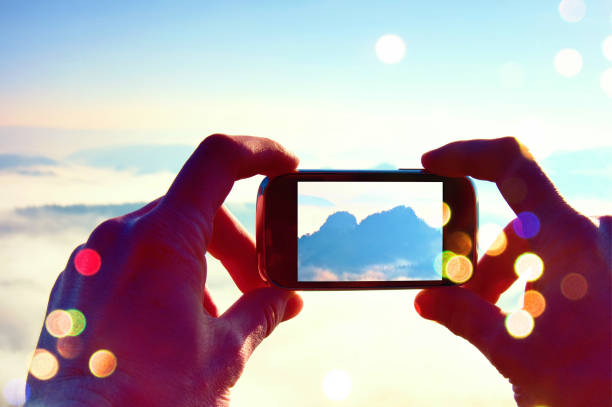
In today’s digital world, photography is no longer limited to professionals with expensive equipment. From high-end smartphones to advanced DSLR cameras, everyone has the opportunity to capture breathtaking images. Whether you are clicking pictures with the latest smartphone or using a powerful DSLR like the Canon EOS 90D or Nikon D7500, the secret to stunning shots lies not just in the device but in the skills and techniques behind the lens. Understanding the transition from smartphone photography to DSLR mastery can elevate your images to a whole new level.
Understanding the Power of Your Smartphone
Modern smartphones have revolutionized photography. Devices like the iPhone 15 Pro and Samsung Galaxy S24 Ultra come equipped with advanced camera systems, AI enhancements, and multiple lenses. These features allow users to capture impressive photos without needing professional gear.
The key to stunning smartphone shots is learning how to use built-in features effectively. Use grid lines to follow the rule of thirds, tap to focus for sharp images, and adjust exposure manually by sliding your finger on the screen. Many smartphones also offer portrait mode, night mode, and HDR settings. Understanding when to use each mode can dramatically improve your photos.
Lighting is especially crucial in smartphone photography. Since smartphone sensors are smaller than DSLR sensors, they perform best in well-lit environments. Natural light, especially during golden hour (shortly after sunrise or before sunset), adds warmth and softness to your images.
Mastering Composition Techniques
Regardless of the camera you use, composition plays a vital role in creating stunning shots. The rule of thirds is one of the most important principles. Imagine dividing your frame into nine equal parts using two horizontal and two vertical lines. Placing your subject along these lines or at their intersections creates a balanced and visually appealing image.
Leading lines are another powerful technique. Roads, rivers, fences, or even shadows can guide the viewer’s eyes toward the subject. Framing is also effective—using windows, doorways, or branches to naturally frame your subject adds depth and interest.
Symmetry, patterns, and negative space can turn ordinary scenes into artistic photographs. These composition techniques apply equally to smartphone and DSLR photography.
Transitioning to DSLR Photography
While smartphones are incredibly capable, DSLRs offer greater creative control. Cameras like the Canon EOS 90D provide interchangeable lenses, manual controls, and larger sensors that produce higher-quality images, especially in low light.
The biggest advantage of a DSLR is manual control over aperture, shutter speed, and ISO—often referred to as the exposure triangle.
-
Aperture (f-stop): Controls the depth of field. A lower f-number (like f/1.8) creates a blurred background, perfect for portraits.
-
Shutter Speed: Determines how motion is captured. A fast shutter speed freezes action, while a slower one creates motion blur.
-
ISO: Adjusts the camera’s sensitivity to light. Higher ISO works in low light but may introduce noise.
Understanding and balancing these three settings allows photographers to achieve professional-level results.
Choosing the Right Lens
One of the most exciting aspects of DSLR photography is the ability to change lenses. A 50mm prime lens is ideal for portraits because it creates beautiful background blur. Wide-angle lenses are perfect for landscapes and architecture, while telephoto lenses are excellent for wildlife or sports photography.
Unlike smartphones, where zoom is often digital and reduces image quality, DSLR lenses provide true optical zoom without sacrificing detail. Investing in the right lens can make a bigger difference than upgrading the camera body itself.
Lighting: The Heart of Photography
Lighting can make or break a photo. Natural light is always a great starting point. Shooting during golden hour provides soft shadows and warm tones. Midday sunlight can create harsh shadows, so finding shade or using reflectors can help balance the light.
For indoor photography, understanding artificial lighting is important. Softboxes, ring lights, or even a simple desk lamp can improve image quality. DSLRs handle low-light situations better due to larger sensors, but smartphones are catching up with advanced night modes.
Learning how to position your light source—whether it’s natural or artificial—can dramatically enhance your shots.
Editing: The Final Touch
Even professional photographers edit their photos. Editing is not about changing reality but enhancing what’s already there. Adjusting brightness, contrast, sharpness, and color balance can transform a good photo into a stunning one.
Smartphone apps offer powerful editing tools, while DSLR photographers often use advanced software on computers. However, the key is subtlety. Over-editing can make images look unnatural.
Practice and Patience
No matter which device you use, practice is essential. Experiment with different angles, perspectives, and lighting conditions. Try shooting the same subject from multiple viewpoints. Analyze your photos and learn from mistakes.
Studying the work of famous photographers can also inspire creativity. Platforms like Instagram and Pinterest provide endless inspiration and ideas for improving your style.
Developing Your Unique Style
As you grow from smartphone photography to DSLR shooting, you’ll begin to develop your own style. Some photographers love bright and vibrant colors, while others prefer moody and dramatic tones. Your style reflects your personality and vision.
Consistency in editing, subject choice, and composition helps create a recognizable portfolio. Over time, your images will not only look professional but also uniquely yours.
Conclusion
The journey from smartphone to DSLR photography is not about replacing one device with another—it’s about expanding your creative possibilities. Smartphones teach you convenience, quick composition, and spontaneous creativity. DSLRs teach you control, technical understanding, and artistic precision.
Ultimately, stunning shots are not created by expensive equipment alone. They are born from creativity, knowledge, and passion. Whether you are using a smartphone or a DSLR, mastering composition, lighting, and editing will help you capture images that truly stand out.