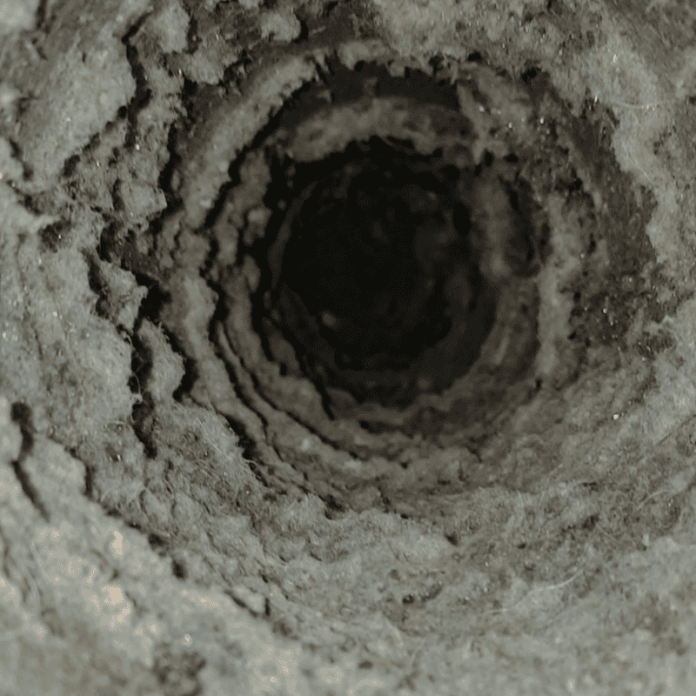
Maintaining a clean and efficient laundry room is an essential part of keeping your home running smoothly. While most homeowners remember to clean the lint trap after every load, the hidden exhaust vent behind the machine is easily forgotten. Over time, lint and debris bypass the screen and accumulate inside the wall ducting, creating a major safety hazard and slowing down your laundry routine. Scheduling affordable dryer vent cleaning in the DFW area ensures your appliance runs safely and efficiently, eliminating dangerous lint buildup before it causes serious household problems.
The Hidden Danger Behind Your Dryer
Clothes dryers are standard appliances in almost every modern home, but they are also one of the most frequent sources of accidental fires when neglected. As your dryer tumbles clothes, fine fabric fibers break free. While the lint filter catches a large percentage of this material, fine particles continuously escape into the vent pipe that leads outside your house.
Over months and years, this soft, highly flammable material coats the interior walls of your exhaust line. In regions across North Texas, outdoor humidity, bird nesting activity near exterior wall caps, and long duct runs with multiple elbows accelerate lint accumulation.
When airflow becomes restricted, heat builds up rapidly inside the machine and the vent pipe. Because dryer lint ignites at relatively low temperatures, a blocked exhaust line creates a severe fire risk directly behind your walls.
Signs Your Dryer Vent Line is Blocked
Because vent pipes are tucked away behind heavy appliances and inside walls, it can be tough to know when lint levels have reached a critical point. Fortunately, your dryer will usually exhibit several clear warning signs when airflow is restricted.
Warning Sign
Primary Cause
Immediate Risk / Impact
Clothes take 2-3 cycles to dry
Heavy lint buildup restricting hot air exhaust
High energy bills & long laundry times
Dryer exterior feels hot to touch
Heat trapped inside the cabinet due to poor airflow
Appliance component strain & fire hazard
Musty smell on freshly washed clothes
Trapped moisture cannot escape the vent pipe
Mildew growth in clothes & vent lines
Lint accumulation behind the machine
Loose vent connections or backpressure leakage
Messy laundry room & fire risk
Exterior vent flap doesn’t open fully
Clogged exhaust hood or heavy lint obstruction
Complete airflow blockage
Financial & Practical Benefits of Clean Dryer Vents
Clearing out your dryer exhaust line delivers immediate returns on safety, appliance performance, and monthly utility expenses.
1. Lower Monthly Energy Bills
When air flows freely through your exhaust line, moisture escapes quickly, allowing clothes to dry in a single, standard cycle. Running your dryer less frequently cuts down on electricity and gas usage, keeping your monthly utility costs manageable.
2. Extended Appliance Lifespan
Dryers are expensive investments. When forced to operate under high temperatures due to restricted airflow, internal components, such as heating elements, thermal fuses, and blower motors, suffer severe thermal stress. Regular vent maintenance prevents early equipment breakdown.
3. Protection for Clothes & Fabrics
Excessive heat inside a clogged dryer bakes delicate fabrics, causing premature wear, shrinkage, and fading. Clearing the vent ensures your clothes dry at safe, intended temperature levels.
4. Reduced Fire Hazard
Removing flammable lint from your duct lines eliminates the primary fuel source for dryer fires, giving you invaluable peace of mind every time you start a load of laundry.
DIY Efforts vs. Professional Extraction
Many homeowners wonder if they can clear their dryer vent line using basic DIY kit brushes attached to a handheld drill. While DIY tools work well for short, straight vent runs, they often fall short on complex residential setups.
Household vents often feature multiple 90-degree turns, long flexible sections, or pathways that travel upward through attics to roof caps. Attempting to force a stiff DIY brush through these turns can lead to several problems:
- Compacting the Lint: Brushes can push lint forward into tight bends, creating an even denser plug deep inside the wall.
- Disconnecting the Pipe: Pushing too hard can detach flexible duct joints inside wall cavities, causing hot, moist air and lint to vent directly into your attic or walls.
- Damaging Flexible Foil Ducting: Low-grade plastic or thin foil vents can easily tear or puncture under rough brush friction.
Professional technicians utilize industrial rotary air whips and high-powered negative-pressure vacuums. The rotary equipment dislodges stubborn lint deposits from interior walls, while powerful suction completely extracts the debris from your home, leaving the pipe completely clear.
How Often Should You Clean Your Dryer Vent?
As a general rule, residential dryer vents should be inspected and cleaned at least once every 12 to 18 months. However, certain factors mean your system may require attention more frequently:
- Large Families: Running multiple loads of laundry daily generates higher lint volumes.
- Pet Owners: Dog and cat hair easily bypasses lint traps and mats inside exhaust ducts.
- Long or Overhead Vent Paths: Vents that travel up through the roof or extend over 15 feet collect lint much faster than short, straight ground-level pipes.
- Heavy Use of Towels and Bedding: Bulky cotton items shed significantly more lint than light synthetic clothing.
Keeping Your Household Safe & Efficient
Maintaining clear ventilation for your clothes dryer is one of the simplest, most effective ways to protect your property and lower household running costs. Removing trapped lint prevents dangerous heat buildup, speeds up laundry routines, and extends the life of your appliance.
If your dryer is running hot, taking multiple cycles to dry single loads, or hasn’t been serviced in over a year, taking action today will keep your home safe and your laundry routine moving forward seamlessly. Clean vents make a safer home!